Vegetarian and vegan nutrition
Being a vegetarian
Vegetarianism is quite widespread today and is growing in popularity all the time, for a wide range of reasons – ethical, environmental and nutritional, to name just a few.
As a result, chances are that (if you are not a vegetarian yourself), you have at least a basic understanding of what vegetarianism is and stands for.
In a nutshell, vegetarianism is the practice of following a plant-based diet (including fruits, vegetables, seeds, nuts, grains etc.), with the exclusion of meat. For some vegetarians, but not all, this will involve the complete exclusion of red meat, poultry and seafood from the diet. Most vegetarians, however, choose to continue to eat dairy products and eggs.
Vegetarians who forego animal products entirely (including dairy, eggs and honey), as well as the by-products of animal slaughter (like animal-derived rennet and gelatin), are known as vegans (see further below).
As mentioned above, a vegetarian lifestyle might be adopted for a number of reasons. For the most part, vegetarians tend to place special emphasis on respect for sentient life. This is often linked to religious beliefs and/or the concept of animal rights. Other common motivations include political, cultural, aesthetic and economic.
The Vegetarian Society, which describes itself as “an educational charity working to support, represent and increase the number of vegetarians in the UK”, was founded in 1847 and is the oldest vegetarian organisation in the world.
Being a vegan
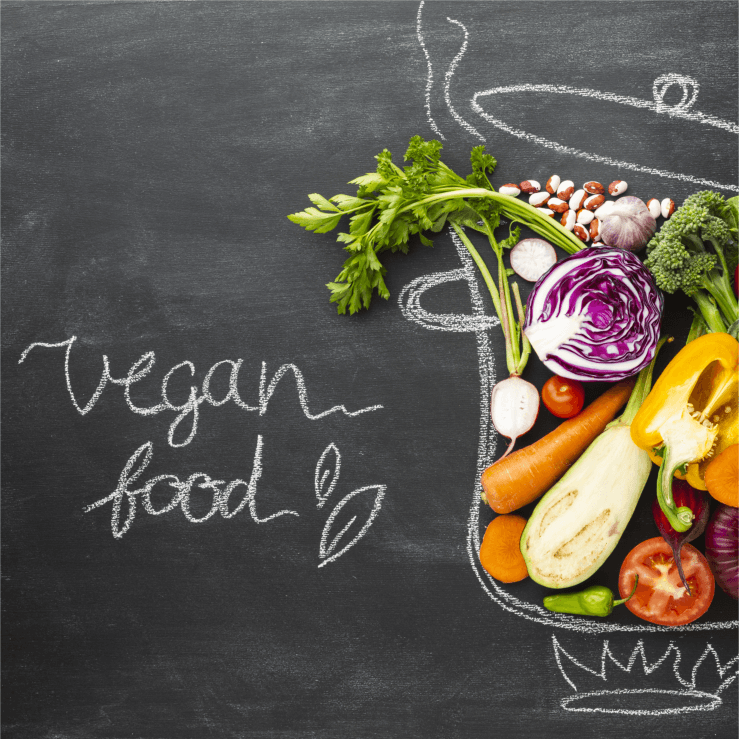
A fast-growing movement, veganism is essentially a more extreme version of vegetarianism. As mentioned above, it involves complete abstention from the use of all animal products.
The term “vegan” was coined by the co-founder of the British Vegan Society in England (Donald Watson) in 1944 and, at that point, was said to mean “non-dairy vegetarian”. Later, in 1951, the Society further clarified the meaning as “the doctrine that man should live without exploiting animals”. It was only in 1960 that the American Vegan Society was opened by H. Jay Dinshah, who made the specific link between veganism and the Jain concept of ahimsa, the avoidance of violence against living things.
As with vegetarians, there are a number of varieties of vegans. For instance, ethical vegans usually attribute their lifestyle to the rejection of the commodity status of animals on ethical grounds and refuse to use animal products for any purpose. By contrast, dietary vegans or strict vegetarians remove them from their diet only. Another reason often given for the adoption of a vegan lifestyle is the belief that the industrial practices associated with animal products is environmentally damaging and unsustainable.
How to be a healthy vegetarian or vegan
Although maintaining a balanced diet is clearly important for everybody, vegetarians, vegans, raw foodists and those following the Living Foods Programme may find it somewhat more of a challenge than is usually the case.
However, often, this is just in the early or transitional stages. There is no reason why these lifestyle choices should present an obstacle to optimal nutrition on a daily basis, provided there is careful meal planning and adequate thought is given to vitamin, mineral and nutrient intake.
Easy-to-follow suggestions for maintaining ideal nutrient intake…
- Make sure your food choices are well-rounded, varied, seasonal and organic wherever possible. This will help to ensure that you are getting a variety of nutrients and help you to avoid deficiencies.
- Make sure that you have a dietary source of vitamin B12 and calcium. Diets that are low in animal products are also often low in this vitamin, and it is not found in many vegetables. A B12 deficiency can cause some serious health issues, so be safe and identify your dietary source (whether through foods or supplementation or both).
- Ensure appropriate protein intake.
Plant-based protein
If you are on a plant-based diet, it is important to find ways to incorporate high-protein foods into your daily eating plan.
Protein is an important ‘building block’ for muscle development and growth, and it is very easy for vegetarians and vegans to lose muscle mass when they reduce or remove the meat and animal products from their diet.
There is ongoing debate around the precise protein intake requirements for humans, but it is safe to say that protein is an essential nutrient (a macronutrient) that is required for the healthy functioning of the body and its many biological processes – without it, we could not survive. So, whether or not you are vegetarian or a meat eater, protein is a very important part of your diet.
However, each person’s precise protein needs will be different and will, to some extent, depend on their overall energy intake and expenditure, the body’s need for nitrogen and essential amino acids, body weight and composition, rate of growth, carbohydrate intake, as well as the presence of illness or injury.
For example, a high-protein diet is often required where an individual regularly engages in intense physical activity and/or seeks a muscular mass increase. Naturally, the need for protein is also heightened during childhood (for growth and development), during pregnancy or when breast-feeding (in order to nourish the baby) and when the body has suffered from malnutrition, trauma or is recovering after an operation.
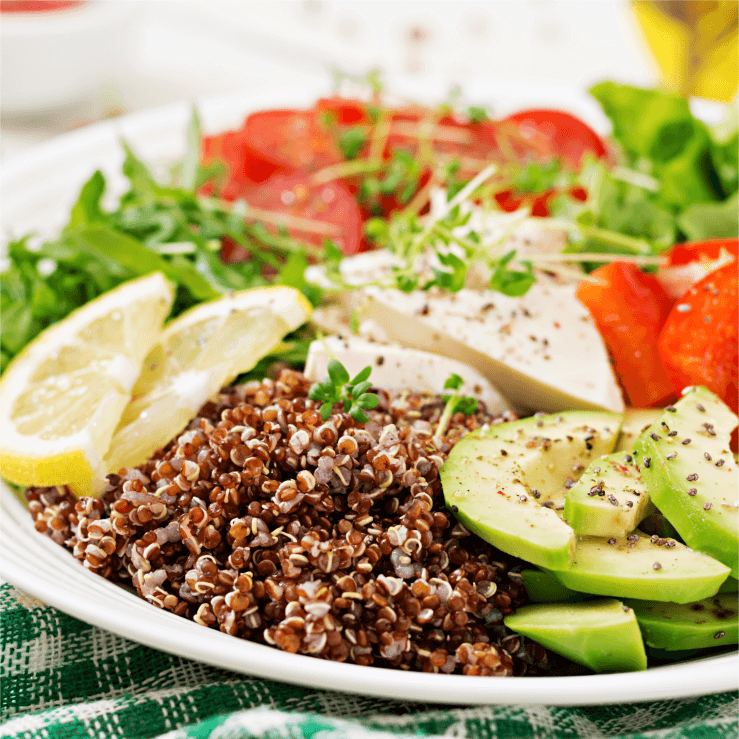
Happily, there are a number of complete, natural and balanced plant-based proteins, which can meet any person’s daily protein requirements. Hemp, wheatgrass and quinoa are three prime examples. Vegetarian proteins can also be combined to great effect, to create a complete amino acid profile in any meal.
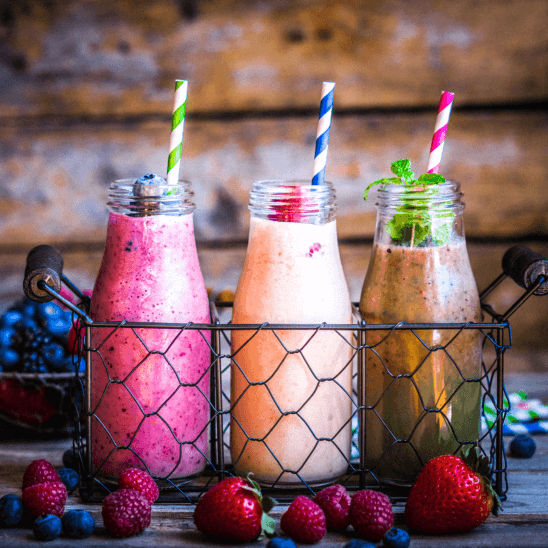
However, if you are struggling to identify appropriate high quality, protein-rich foods, products that are vegetarian or vegan-friendly or simply can’t access the fresh produce you need on a daily basis, plant-source protein shakes and vegan-friendly, nutrients-fortified meal shakes can offer a convenient and effective solution. Plus, such supplements also tend to offer the added advantage that they tend to be high in dietary fibre and other essential nutrients (such as vitamins, minerals, antioxidants, enzymes and phyto-chemicals).
A final thought for meat eaters
While vegetarianism and veganism is not for everyone, it is worth noting that most people consume far too much animal protein, especially red meat and dairy, both of which are very hard for the body to digest.
Why not try being a vegetarian for just one or two days a week? Even if you are not ready to make the leap to complete vegetarianism, you can enjoy some of the benefits of a vegetarian diet (and reduce the strain on your digestive system – and the planet!) by taking a break from meat every now and again and seeking out some nutrient-dense, plant-based protein alternatives.
For more information, visit our main website