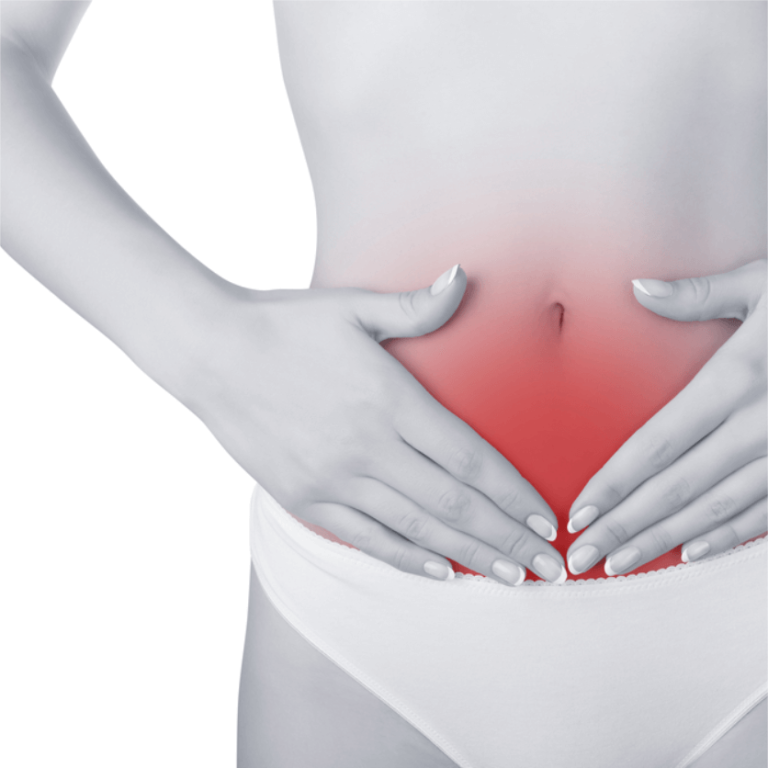
How antibiotics affect the gut
Good health begins in the gut
Many health experts agree that good health begins with balance in the body, particularly in the digestive system.
Inside our bodies there are twenty times more bacteria than living cells, and maintaining the correct balance of good bacteria versus bad bacteria is a crucial part of avoiding illness and supporting long-term health and vitality.
Having the right kind of bacteria (so-called “friendly bacteria”), in sufficient quantities, is essential for everything from healthy digestion and nutrient absorption, to immunity and defence against infections.
What can disrupt the balance of gut flora?
The delicate balance of healthy bowel flora can be disrupted by a number of things, including excess intake of alcohol, a diet high in sugar, poor digestion, stress, as well as exposure to toxins and environmental pollutants. For the purposes of this article, we will look in more detail at one of the most common causes of bowel flora imbalance – the long-term or frequent use of antibiotics.
How do antibiotics affect the gut?
It is now generally accepted that antibiotics have historically been prescribed and used far more than they should be. While this is in the process of slowly changing, the result has sadly been an upsurge in antibiotic resistance – a type of drug resistance where a microorganism is able to survive exposure to an antibiotic.
What’s more, one of the most notable effects of antibiotics is their adverse impact on the digestive system and the balance of gut flora – they indiscriminately destroy both good and bad bacteria in the body. They work by either killing bacteria or by preventing bacteria from growing – obviously good in terms of bad bacteria, but bad in terms of friendly bacteria.
This is somewhat ironic, when you consider that people are taking antibiotics in the first place because they are ill, but their medicine is destroying one of the body’s primary lines of natural defence. In fact, what is arguably the most important part of the immune system resides in the gut – Gut Associated Lymphoid Tissue (special antibody-producing cells) work hard to prevent unwanted micro-organisms (such as bacteria and viruses) from entering the body.
Of course, antibiotics have their role to play and can certainly be highly effective in resolving bacterial infections. However, it is important to use them sensibly, in moderation and to support your levels of beneficial bacteria both during and after a course.
Too many bad bugs
If your levels of good bacteria fall, you provide opportunistic ‘nasties’ (like bacteria, parasites and yeasts) with an excellent environment in which to thrive and spread.
An overgrowth of harmful gut flora (called dysbiosis), for example, increases gut toxicity and can result in a number of unpleasant symptoms and conditions, including:
- bloating
- constipation
- diarrhoea
- abdominal pains after eating
- wind
- Irritable Bowel Syndrome (IBS)
- Leaky Gut Syndrome
- and Candida overgrowth.
This is one of the reasons why antibiotic courses often result in thrush (a fungal infection caused by Candida overgrowth).
How to support the good guys
Research has shown that the damage done to the digestive tract by antibiotics can last far longer than was previously thought.
Stanford University researchers in America analysed the levels of friendly bacteria in three healthy adult women both before and after each of two cycles on the antibiotic Cipro. Following the first cycle, they found that the drug had altered the population of the subjects’ friendly gut bacteria significantly, perhaps even permanently. Following the second cycle, six months later, they discovered that the effect was exponentially greater.
As such, antibiotics should never be used as a regular “quick fix” for minor ailments and, wherever possible, long courses should be avoided. Where a course of antibiotics is unavoidable, you can support your levels of friendly bacteria through diet and probiotic supplements.
For instance, many cultures have observed the health-supporting effects of fermented foods (often referred to as “probiotic foods”) and so include them as a regular part of their diet. These foods include kefir, sauerkraut, miso, tofu and tempeh to name just a few. Including these foods in your diet on a daily basis is a good way to promote healthy intestinal flora.
However, it is worth noting that most of these foods do not contain strains of bacteria that can actually colonise the digestive tract. Instead, they do good work for a week or two and then pass through.
Supplementing with strains of good bacteria that can colonise the digestive tract (such as L. acidophilus, L. salivarius, B. infantis, B. bifidum, B. brevis and B. longum) is arguably a more effective and powerful means of supporting healthy levels of gut flora for the long term.
For more information, visit our main website